Why Use AWS Fargate Instead of EC2 for Containerized Workloads?
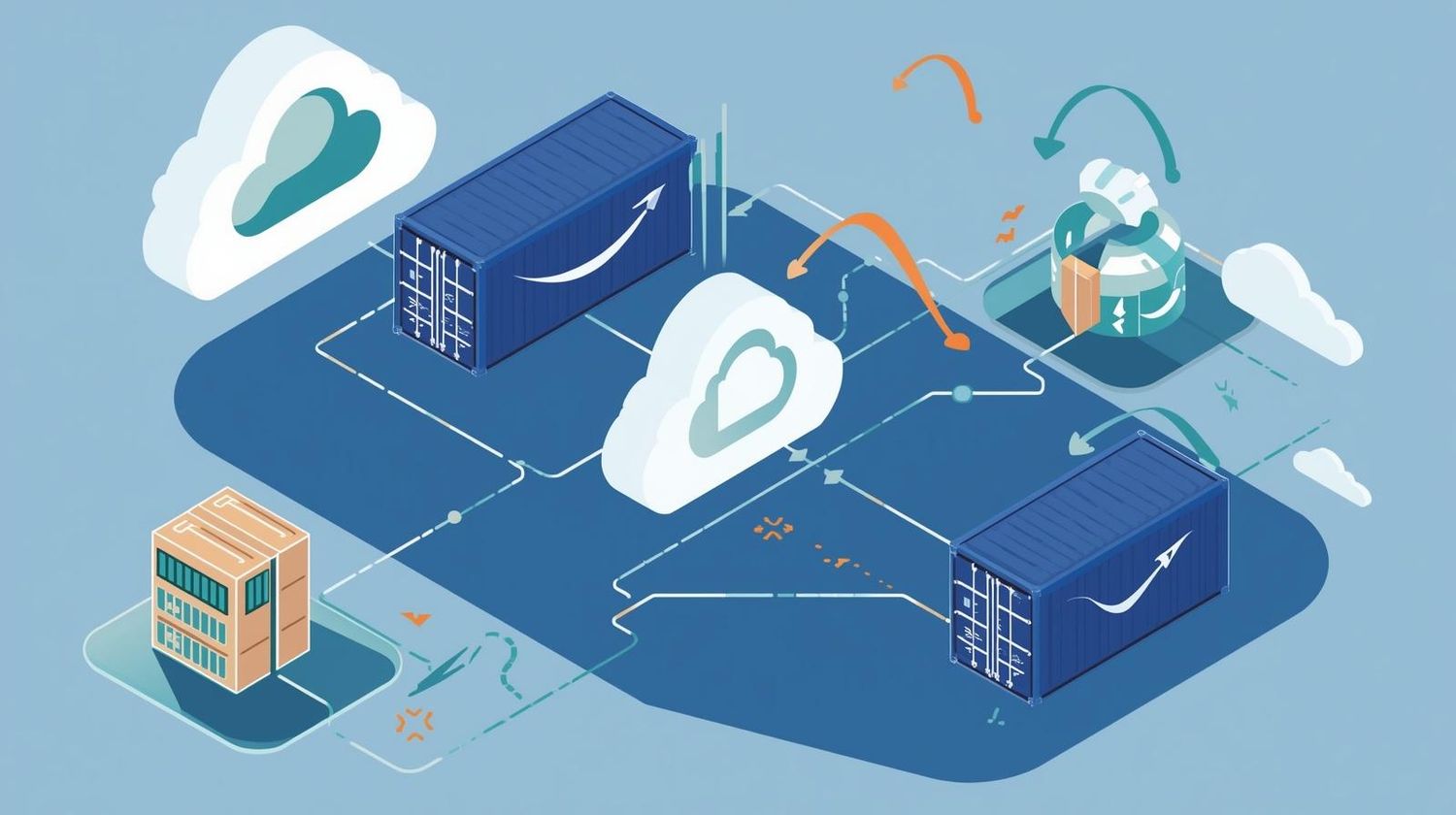
Running containers on AWS often starts with a big choice: should you use AWS Fargate or Amazon EC2 to run your tasks? Many companies want faster releases, lower upkeep, and better scaling. They also want a setup that supports clear costs and simple daily work. This is why the choice between these two ECS launch types matters so much.
When people look closely, they see clear trade-offs between control, cost, and ease of use. That is why some organizations choose to hire an AWS developer before making this call. This blog uses key points from EC2 and Fargate best practices to help you understand both paths and select the one that fits your goals.
Why Growing Businesses Sometimes Choose to Hire an AWS Developer
Picking the wrong computer setup can slow progress. Many organizations realize they need help deciding how much control they want and how much work they hope to avoid. EC2 gives strong control over the system, while Fargate removes most of the upkeep. Because this choice impacts cost, speed, and scaling, many cloud units want expert input.
· First, EC2 fits complex or special workloads. You pick instance types, manage the OS, set storage rules, and tune network details. This is helpful for apps that need deep system control.
· Second, Fargate simplifies everything by handling servers behind the scenes. You define CPU and memory at the task level, and AWS makes it run.
Finally, organizations want to pick a launch type that supports growth. A clear choice now can avoid bigger problems later.
1. Understanding Amazon EC2 for Container Workloads
Many developers know EC2 as a core AWS service for running virtual machines. In ECS, EC2 is one of the primary launch types. When you choose the EC2 option, you manage the instances that run your containers, and this gives you both control and more work.
Some workloads need strong control over the system below the container. EC2 supports those needs because you can pick the OS, storage type, and networking. You also gain access to special instance types for compute-heavy or memory-heavy tasks.
EC2 also works well with tools like VPC, IAM, CloudWatch, and load balancers. These tools help cloud crews shape environments to fit special rules or older systems. Because EC2 lets developers build detailed setups, it becomes a strong choice for long-running services, jobs that need custom system settings, and workloads tied to older tools.
Key EC2 Features That Support Complex Workloads
EC2 offers several features that matter to groups with special needs. These features make EC2 the right option for cases that need both visibility and control.
Here are the core EC2 capabilities:
- Custom OS and runtime choices
- Support for persistent EBS volumes
- Fine-tuned security and network control
- Strong scaling with EC2 Auto Scaling
These features help engineering staff shape environments for tasks like GPU work, memory-heavy jobs, or sensitive data systems. EC2 also gives options for flexible pricing through Reserved Instances and Spot Instances. Because of this mix of control and savings, EC2 becomes the right fit for organizations that have stable, long-running apps with predictable use.
When cloud crews need to balance performance and cost, EC2 often gives them the space to build the exact setup they want.
What AWS Fargate Offers for Container Workloads
AWS Fargate is different from EC2 because it removes the need to manage servers. You define CPU, memory, and networking, and Fargate handles everything else. This helps organizations avoid patching, scaling servers, and tuning instances.
Fargate acts as a serverless compute engine. It gives each task an isolated space to run, and it scales tasks based on your service rules. This makes it easier to launch containers because you do not need an instance group or a set of AMIs.
Fargate also works well with systems built around microservices. Each service can scale on its own and run only when needed. For groups with changing workloads, this setup keeps things simple without losing stability. When speed and ease matter most, Fargate fits well.
Core Fargate Features for Busy Organizations
Fargate brings several benefits that help cloud crews cut daily work. It also creates clearer costs because you pay only for the CPU and memory used during task runtime.
Here are key Fargate features:
- Serverless container execution
- Task-level resource settings
- Automatic task placement and scaling
- Built-in isolation for safer workloads
Because you skip server management, you remove many common risks. You also reduce the chance of paying for idle servers. This helps organizations that want to grow fast without building complex systems early on. When groups compare Fargate with EC2, they often like how simple it feels to start new services.
Is Fargate Cheaper Than EC2?
Cost depends on how long your tasks run. Fargate charges per second for CPU and memory and this makes it strong for short, bursty, or shifting workloads. You do not pay for idle time, which reduces waste.
EC2, on the other hand, gives more long-term savings for steady, long-running jobs. With Reserved Instances or Spot Instances, you can lower costs by a wide margin. That is why EC2 often fits organizations with predictable workloads or large, stable apps. Because both options fit different patterns, many groups review both before picking a path.
When EC2 Makes the Most Sense for Your Workload
EC2 fits use cases that need complete control. These include custom OS setups, special network layouts, or apps that depend on older systems. EC2 also supports GPUs and extensive memory options that some workloads need.
Here are strong EC2 use cases:
- Legacy workloads
- Long-running services
- Jobs that need custom storage
- Apps with strict compliance needs
When organizations want deep control, they often hire an AWS developer to help plan the right instance types, storage layers, and scaling paths. EC2 rewards careful setup, and the right design can help cloud crews get strong performance at lower cost.
When Fargate Fits Better Than EC2
Fargate shines when groups want less upkeep. Because Fargate runs tasks without servers, it removes steps like patching, cluster planning, and instance management. This helps small cloud units work like larger ones.
Fargate works well for:
- Microservices
- Batch jobs
- Event-driven tasks
- Workloads that scale fast
Fargate keeps focus on the app, not the servers. Because it scales tasks automatically, cloud crews avoid setup delays and move faster. Many organizations also choose to hire a AWS developer when shifting from EC2 to Fargate because the move can change cost patterns and scaling rules.
How to Choose Between EC2 and Fargate
Choosing between EC2 and Fargate depends on what matters most for your cloud crew. If cost control for long-running jobs or custom settings matters most, EC2 is the better fit. If simple scaling, faster releases, and low upkeep matter most, Fargate wins.
Here are helpful steps:
- Review workload patterns
- Check if custom OS work is needed
- Compare long-term vs short-term use
- Look at scaling needs
- Plan for future growth
Because many organizations run both types, a mixed model is common. EC2 can power stable workloads, while Fargate runs the parts that grow or shrink fast.
Final Thoughts
As you shape your container plan, it helps to look at how each option supports your goals, your team size, and the way your workloads shift over time. Both EC2 and Fargate offer clear strengths, but the right choice depends on how much control you want and how much daily work you hope to reduce. When you reach a point where guidance becomes valuable, Amrood Labs is here to support your AWS needs and help you build a setup that stays steady as you grow.